The Store on File
Closing the gap between the layout on file and the store on the ground.
Practical guides and field notes on digital twins, spatial AI, store planning, and visual merchandising.

Closing the gap between the layout on file and the store on the ground.
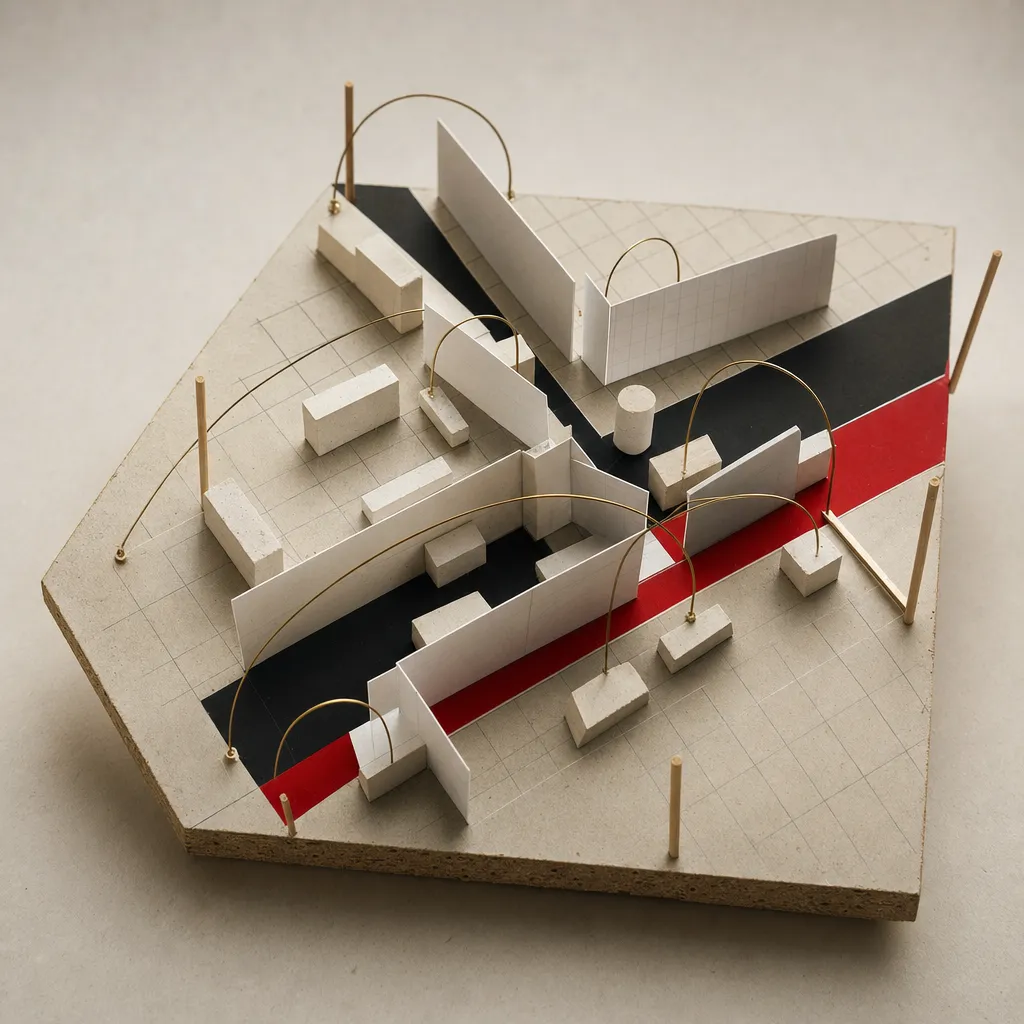
Bringing ground-up merchant instinct to big retail through daily store capture and AI iteration

Treating architectural elements as rule-based blocks transforms building design from drawing into intelligent assembly and search.

Most enterprise AI programs fall behind because they were planned for the org chart while the actual organization runs on email and Excel.

What a merchandising brief has to carry if it is going to survive contact with a real store.

A menu of sixty-five small retail tools from dg2n, priced like conveyor belt sushi and built around files instead of platforms.

Fifteen years of open government solved distribution. The missing layer is the relationships between rules.

Why tools designed for creation fail when we return to understand, review, and decide.

A planner is only as good as the space it searches. Fix the geometry first and the planning gets easy.

Separate the operational question from the technology before you build a model.
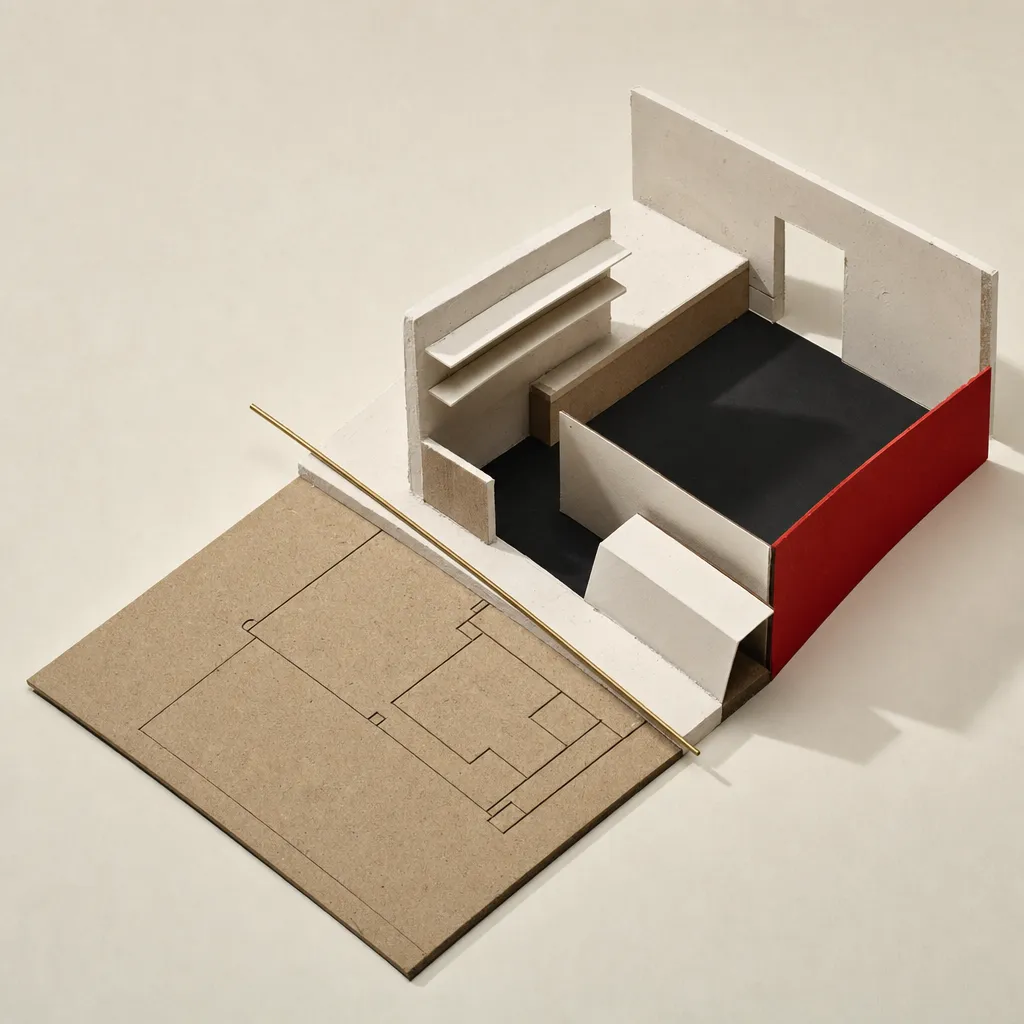
A practical checklist for turning layout information into a model your operations team can verify.

Define useful assistance, boundaries, and human approval before automating a workflow.

Use a clear reference, consistent capture, and operator review to make visual checks useful.

A guide to the information a useful operational model needs.
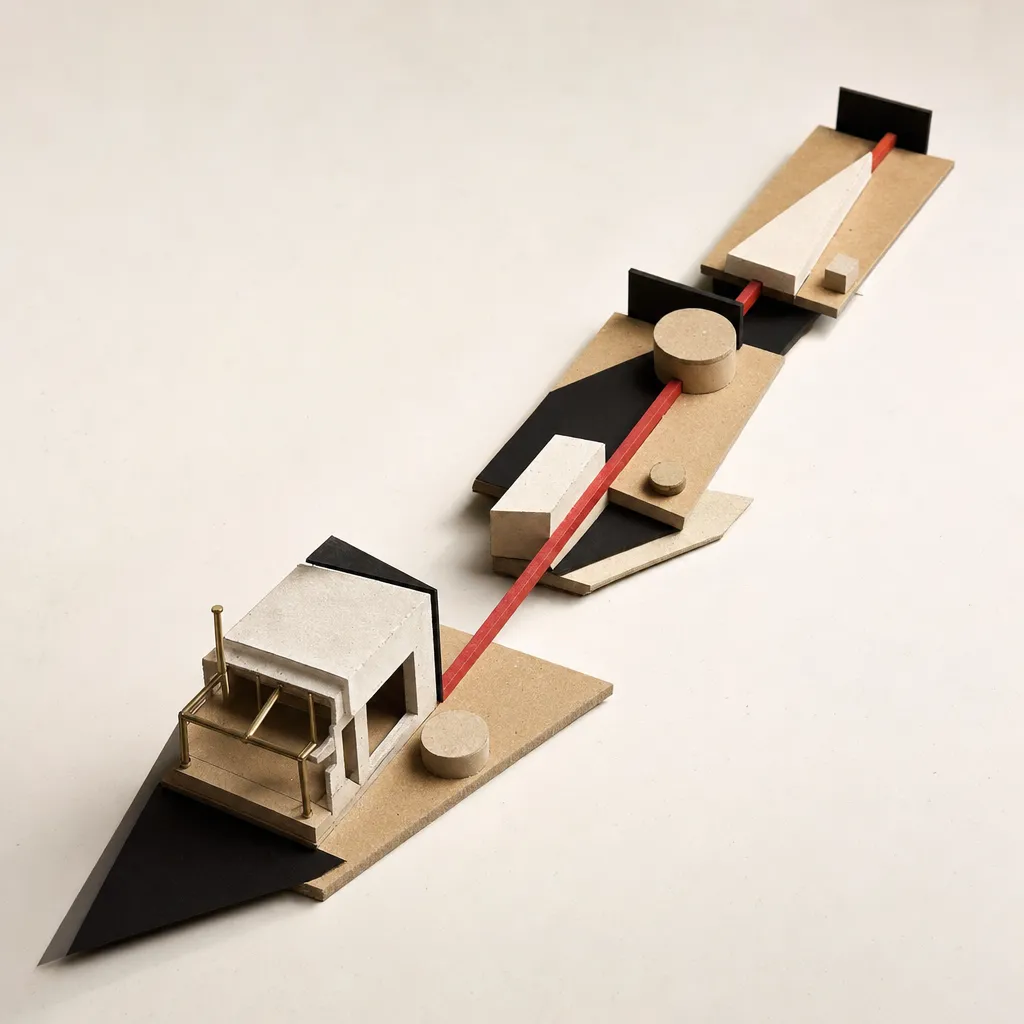
Standardize what is shared while preserving the differences that matter locally.

A framework for estimating value without treating simulation results as customer outcomes.
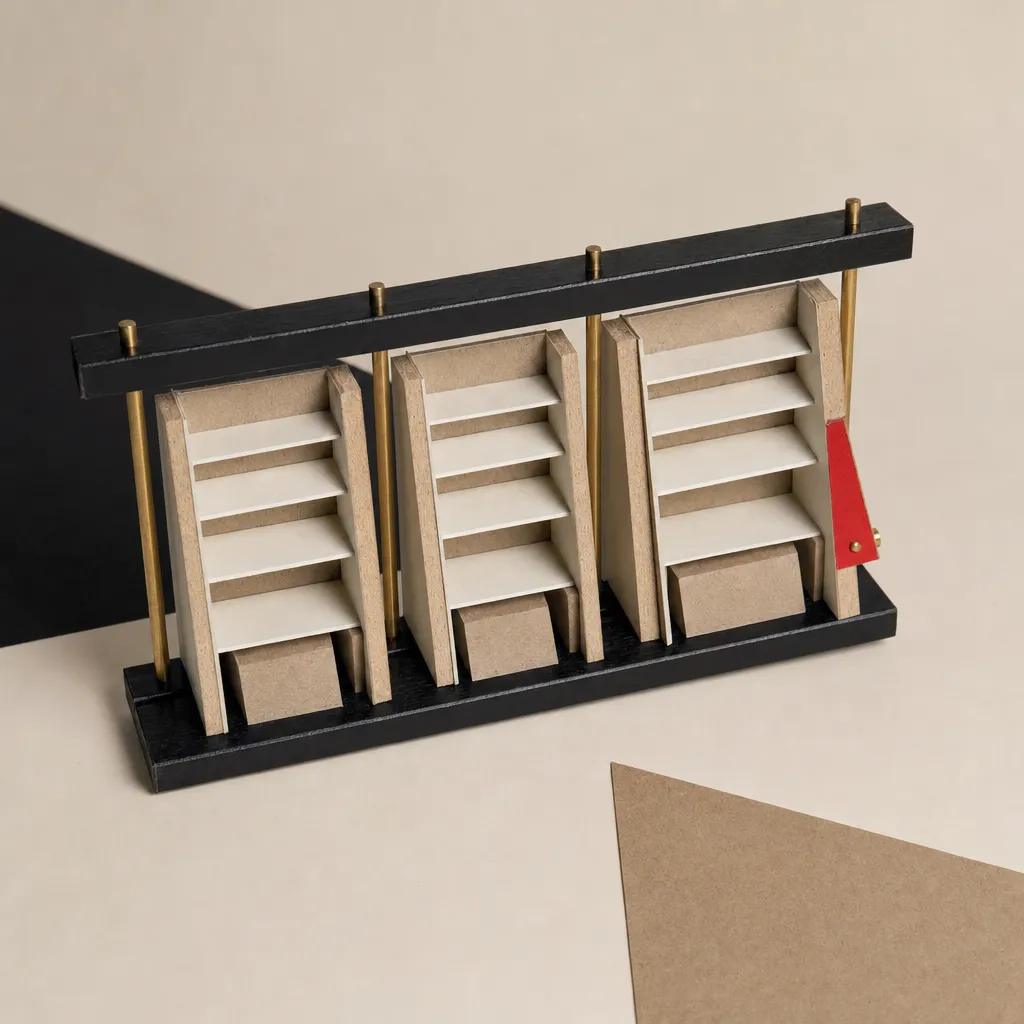
Make central intent clear and local exceptions reviewable.
Understand what a behavioral scenario can test and where real observation is still needed.

A phased approach to changing planning workflows with your team.

Turn a layout discussion into a structured comparison of alternatives.

Scope one facility, prepare the inputs, and define the decision your first model should support.

A handoff checklist for drawings, fixtures, and site context.

Translate brand requirements and local constraints into reviewable planning inputs.

Agree data ownership, field mappings, and failure handling before connecting systems.

Define the metric, baseline, and comparison before changing the process.