
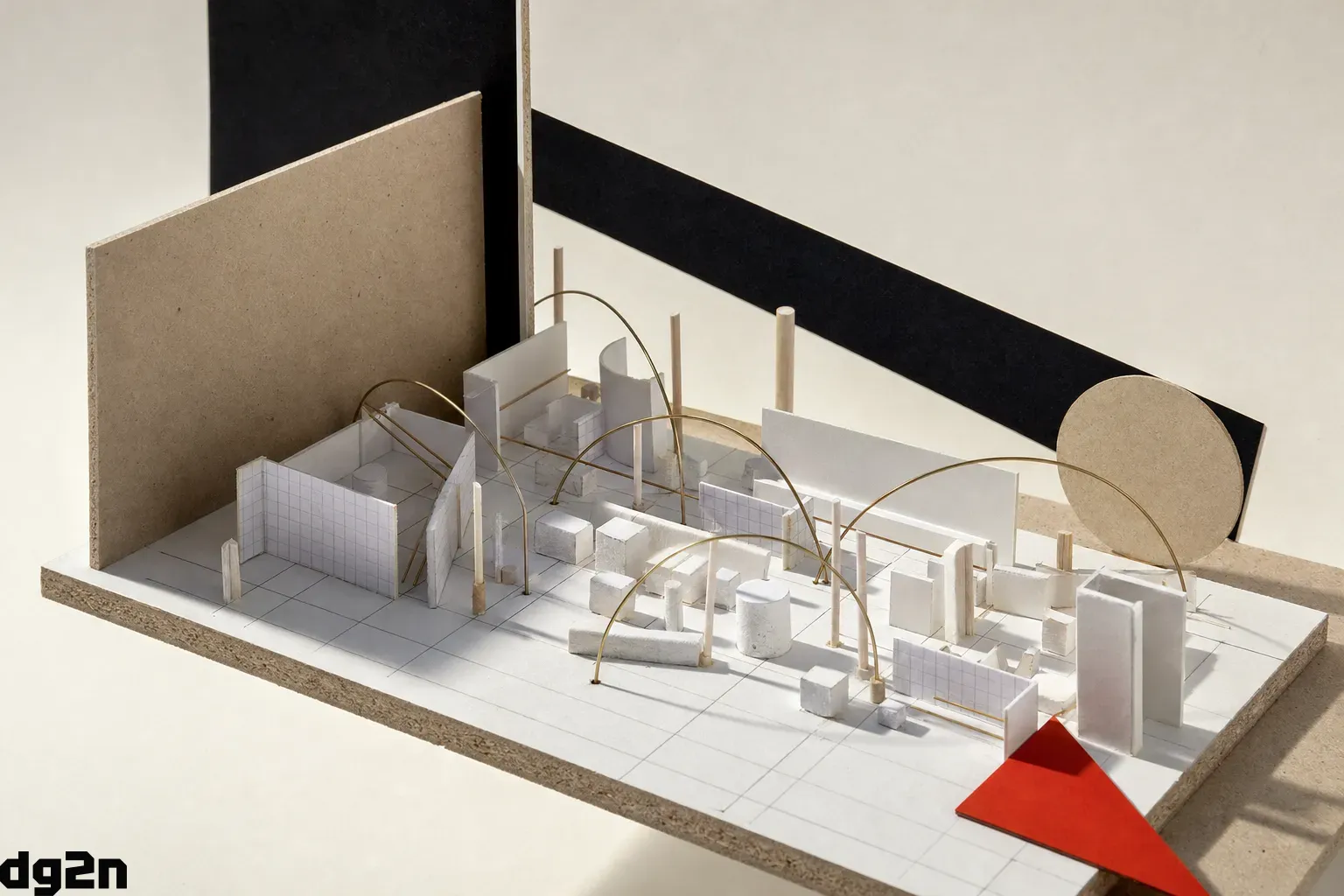
The best retailers have always run their stores from the ground up. The kirana owner who moves biscuits next to the tea because his customers pick up both at 5pm never needed a framework for it. He sees the shelf, he sees who walks in, and he changes the shelf.
Every merchant knows this instinct. What big retail never had was a way to do it at scale. AI just changed that.
Top down was a constraint, not a choice
Once you have a hundred stores, nobody can see all of them. So retail did the next best thing: it stopped looking and started telling. HQ designs the layout, publishes the planogram and writes the SOP, and the SOP tells every store team how things are supposed to be done.
How things are actually done is still a different story in every store. Customers behave differently. Teams carry different ideas of what right looks like. A store manager pushes the promo bay up against the billing queue because the aisle choked at 6pm last week. That store is doing what the kirana owner does. HQ just has no way of knowing whether it worked.
Top down was never a philosophy. It was the only thing that scaled when seeing every store was impossible.
Seeing every store is now cheap
That is the part AI has changed, and it has changed it in three ways at once.
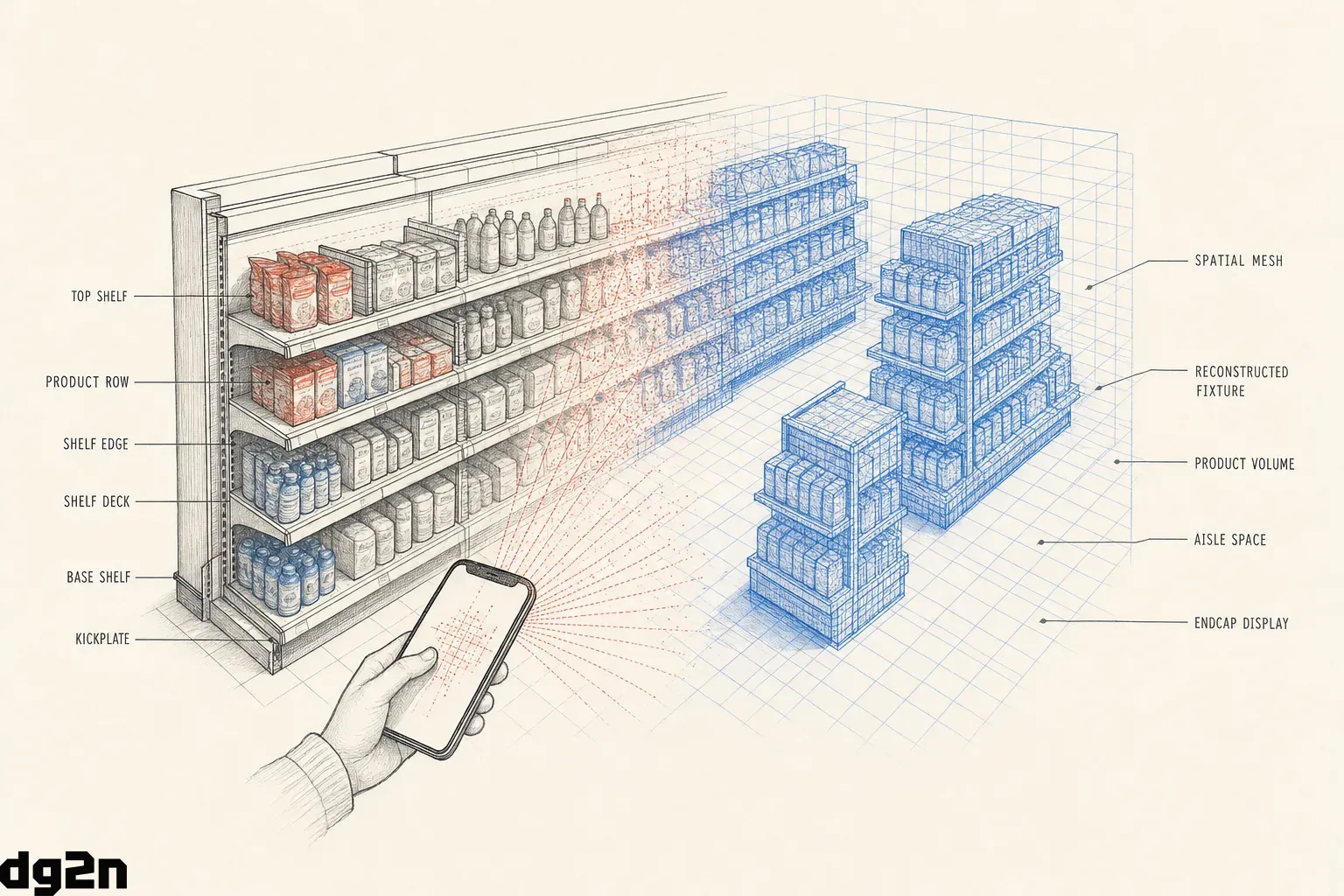
Capture. Someone walks a store with a phone. The system already knows the asset library, every fixture, gondola, chiller and product, so from that video it predicts the 3D store as it actually stands. Not the CAD, not the PDF, not the plan. The store. We first digitized a store in 2018 so people could shop it from home. What took real effort then is now a walk-through.
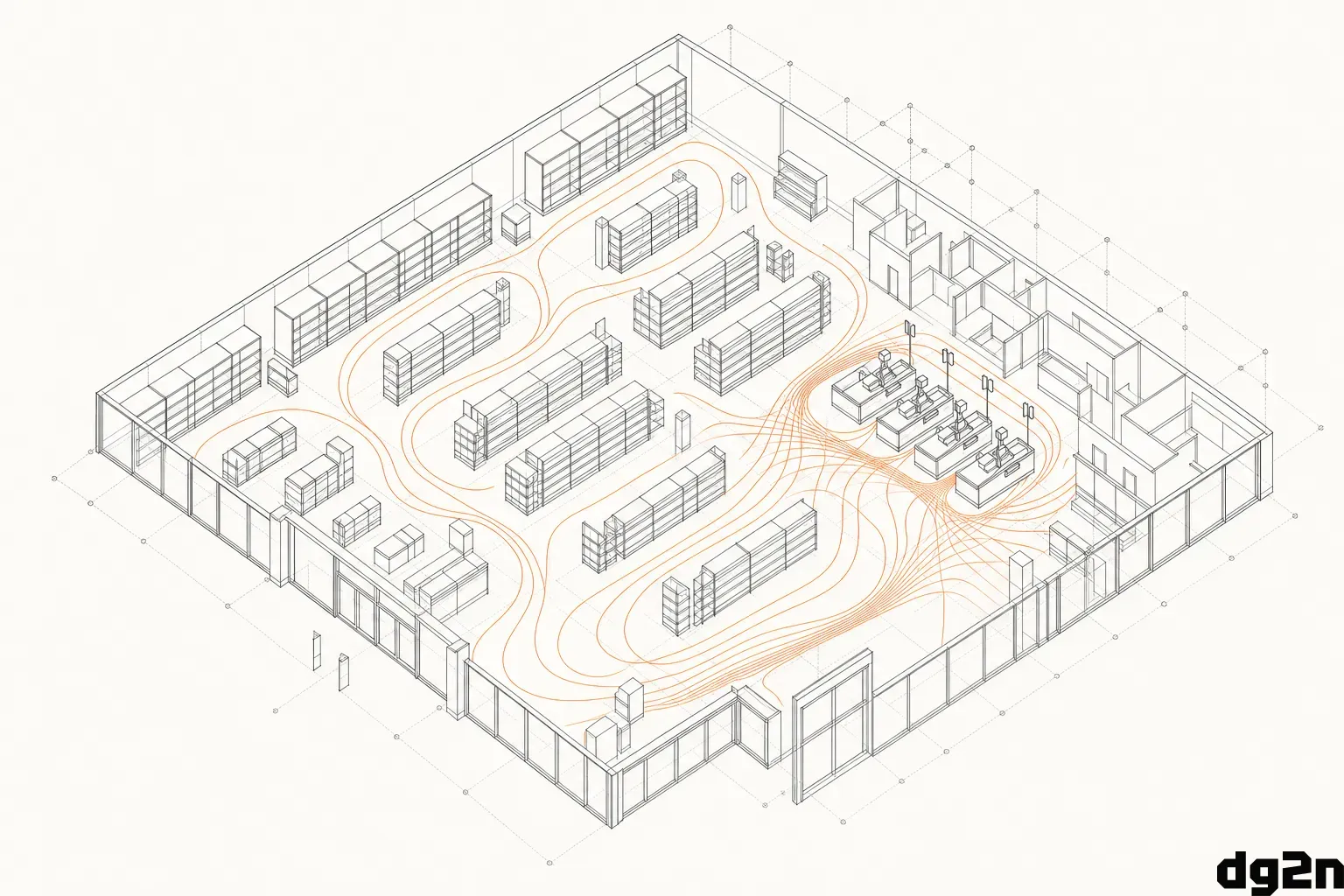
Frequency. Because the pipeline runs on video, it can run day after day after day. A walk in the morning, a walk in the evening, plus the CCTV already on the ceiling, stitched into one source of truth for that day. What stood where. Which shelf went empty at 4pm. Where people walked, where they stopped, which corner nobody reached. Paths, not people.
Iteration. A heat map on a 3D store is something you can play with. Move a gondola, widen the aisle by the billing counter, swap two categories, and the model shows how flow is likely to change before anyone lifts a fixture. Then you make the change, capture the next day and see what really happened.
None of these is a new wish. Retailers have wanted all three for decades. They just cost too much to do for every store, every day.
Products went first
Mass customization followed the same path. Tailors have made one-off garments for centuries. What was rare was doing it for millions of people at once. Then AI collapsed the cost of variation, and today you can design a graphic, have it printed on a single T-shirt and shipped to your door. Nike lets you build your own shoe. Fast-fashion brands make a small batch of a style, watch what sells and scale only the winners.
The idea of a garment made for you was always there. AI made it a workflow.
Stores are next. A chain of a thousand stores has always really been a thousand different stores wearing one brand. Now each of them can be tuned to the people who walk in, the way the kirana owner tunes his.
One store is enough
None of this needs a thousand stores. If you run one shop, the loop is exactly the same: walk it, capture it, change one thing, walk it again. A phone is the only hardware. The neighbourhood grocer gets evidence for the instinct he already has, and a way to test it in a week instead of guessing for a season.
Scale changes what you do with the learning. It does not decide whether you get to learn.
For chains, the learning compounds
Once a network can see itself, something new becomes possible. A layout change that works in one suburban store becomes a tested idea for the forty other stores with a similar footprint and similar shoppers. Learning stops travelling only down from HQ and starts moving sideways, store to store, with proof attached.
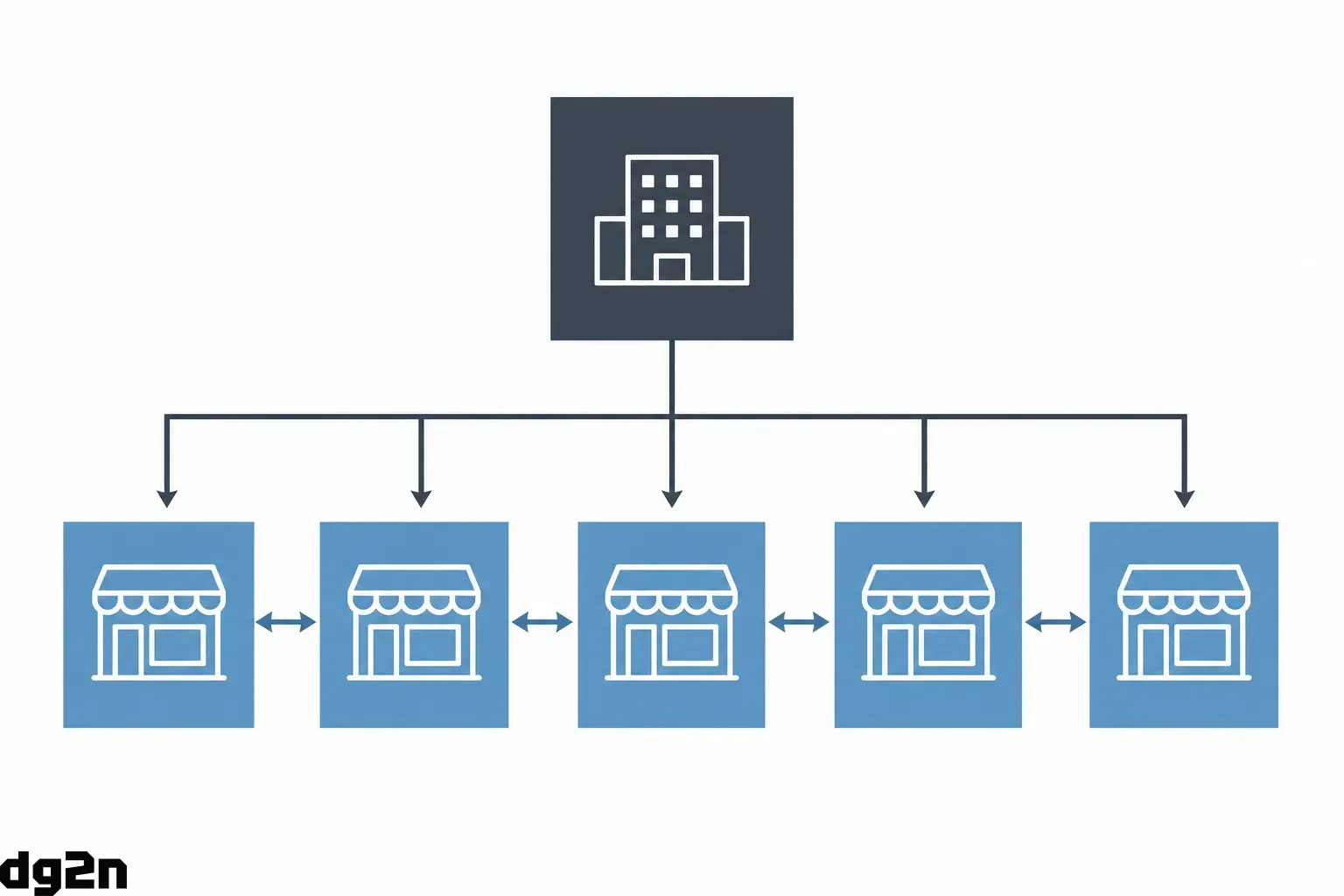
HQ still matters. Brand, vendor commitments, safety, the planogram deals that pay for shelf space: all of that stays central, and it should. What changes is the job. HQ sets the boundaries, and each store finds the best version of itself inside them. Systems stay centrally compliant. Actions get built from the ground up.
This is what we are building with dg2n by GMetri. Our store design work already runs across 3,000 stores. Daily capture is how those stores start teaching us back.
Retail always knew every store was different. Now it can afford to act like it.